
Editor’s Note: Assaults—physical, digital, legal, and rhetorical—against the First Amendment, journalists, and the free press are increasingly undermining journalists’ ability to report the truth. The Hillsboro Globe is revisiting articles written by former journalism students to bring awareness to the importance of a free press.
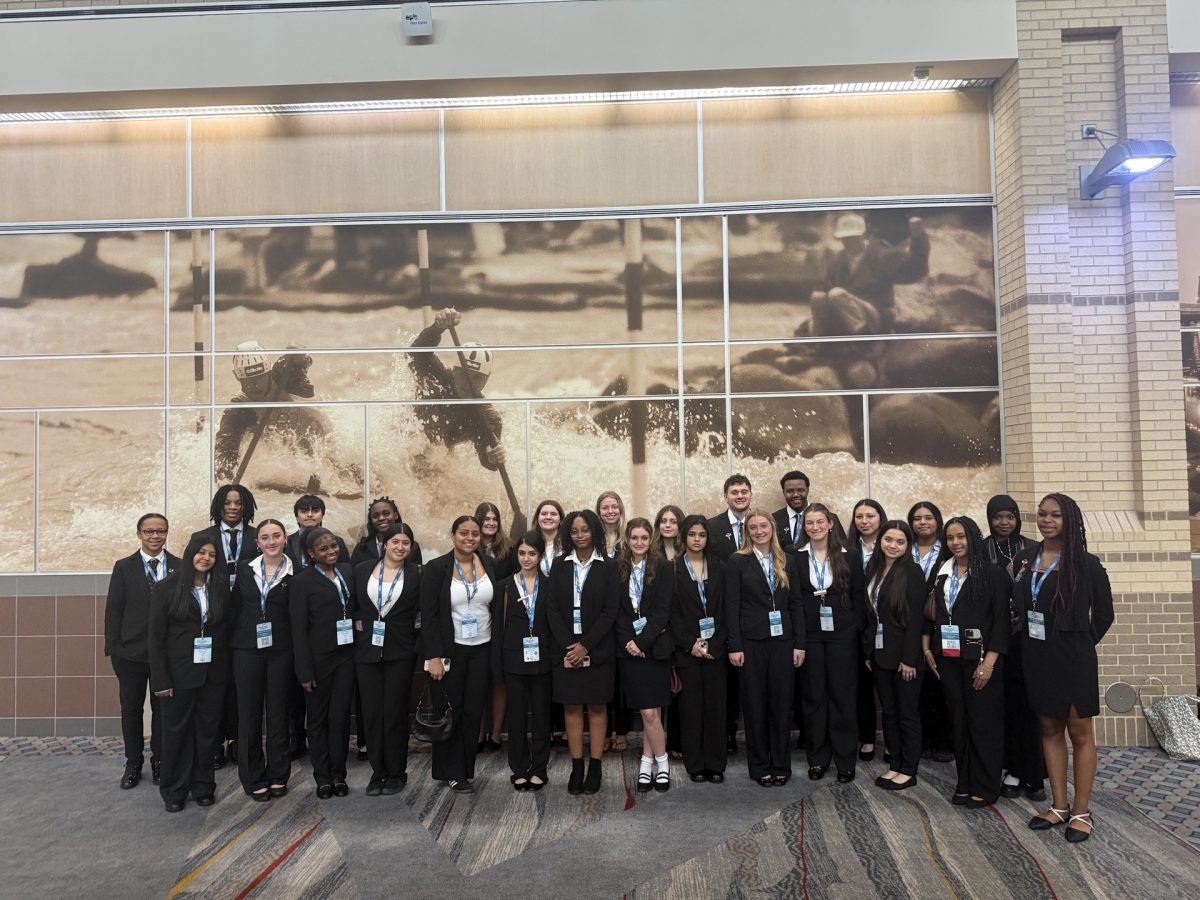
Brianna Brewington, a student at Hillsboro High School, shared her thoughts on journalism’s role in society. She said, “Journalism affects a community by influencing and telling the public what’s currently happening in the real world.”
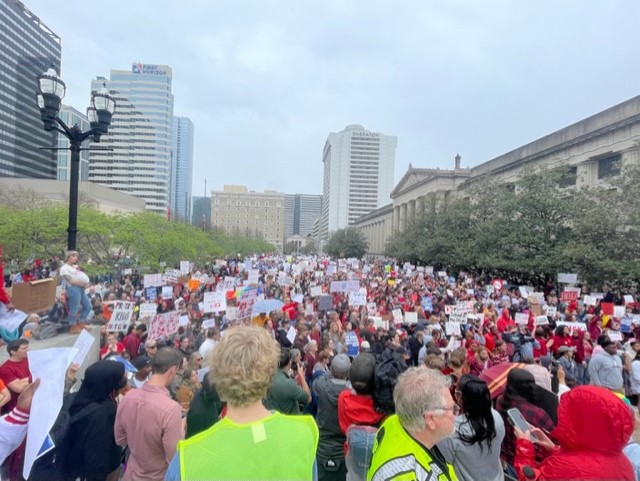
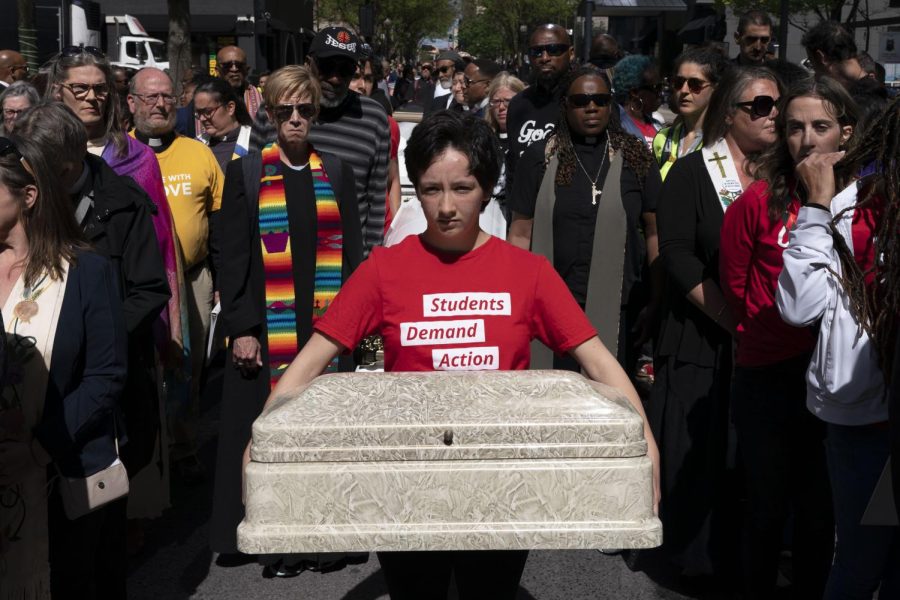
Her answer led to another question: How do the protests happening in her community make a difference? After thinking for a moment, Brianna replied, “The protests are definitely making a difference in the community because people speak out.” This shows how journalism can spark change.
If no one reported on issues or injustices, many protests might never happen. Without journalism, the world would look very different. Coverage of events—especially live reporting—strengthens the impact on communities. Seeing real-time action creates urgency and emotional connection that simple reports cannot match.
Today’s audiences want immediate, accurate information. They expect facts and live updates when major events occur. Many recent protests began in small communities, and journalism played a key role by bringing those stories to light. Whether local or national, journalism shapes history by informing and mobilizing people.
Social media also amplifies journalism’s influence. Posts and shared stories spread quickly, encouraging others to join conversations and take action. When journalists document protests and share them online, the message reaches far beyond the local community. People across the country see what’s happening and respond.
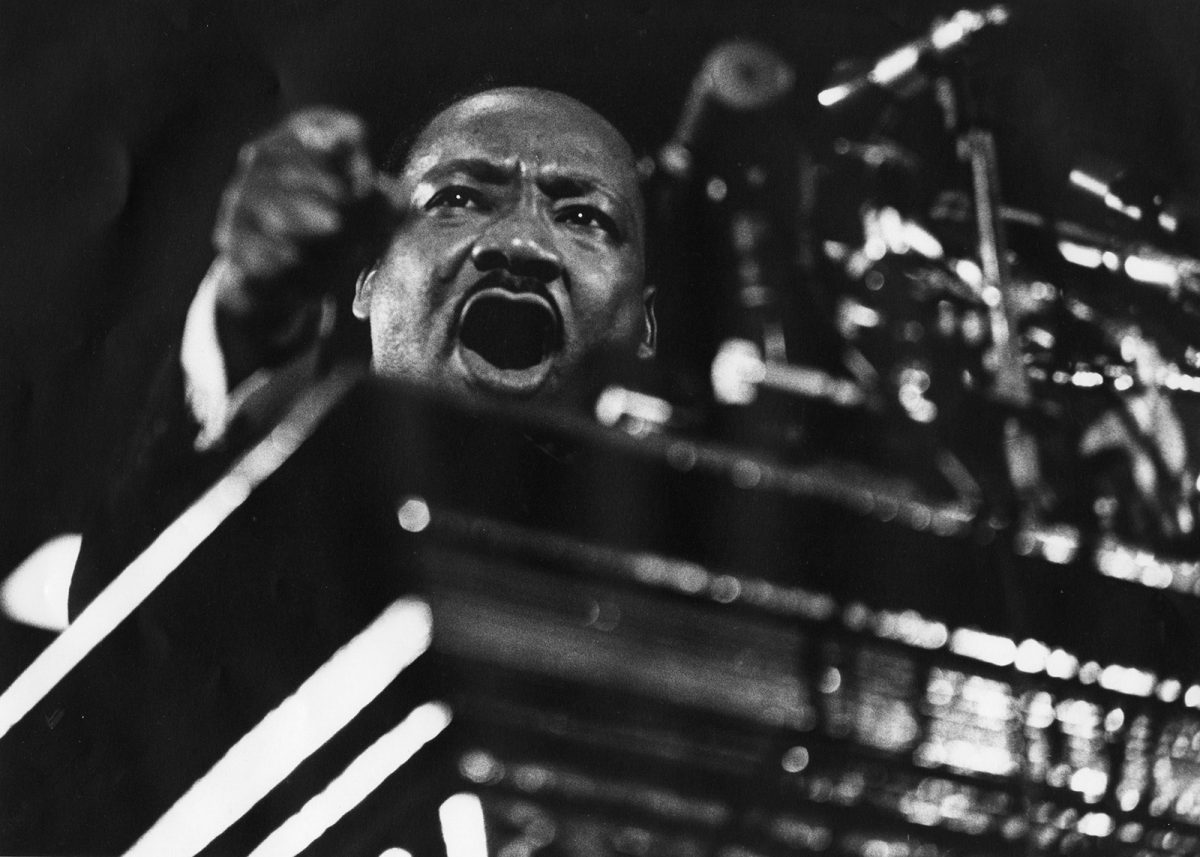
Journalism has not always had the same impact. In the past, news was important, but often didn’t lead to immediate action. One major exception was the civil rights movement led by Martin Luther King Jr. Media coverage of those events inspired people to act and changed history.
Today, youth play a leading role in protests, using journalism and social media to make their voices heard. These movements unite communities and encourage people to speak out. Journalism can drive action, shape opinions, and influence change—sometimes for good, sometimes for bad. But its power to make an impact is undeniable.