
Mental health has become one of the most talked-about issues among students, teachers, and families. With stress, anxiety, and uncertainty continuing to mount on youths across the country, two major organizations are stepping up to help. In an effort to support emotional well-being in community-based organizations throughout the United States, The Jed Foundation (JED) and America’s Promise Alliance have joined forces to launch a brand-new initiative: the Institute for Youth Mental Health. This new mental health support was announced on September 25, 2025. It was established to assist
community organizations among them youth centers, mentoring programs, and after-school clubs in order to create a more inclusive system to protect the emotional health of young people.
These are places where teens already spend time and feel comfortable, making the partnerships an ideal setting for early mental health support.
In the first year, the program will run with 15 nonprofit organizations, each of which serves thousands of youths. These groups will undergo training, receive resources, and be guided by experts at JED (JED Foundation) and APA (America’s Promise Alliance) over a period of 18 months. The idea is to teach the staff in these groups how to identify signs of mental health challenges, respond safely, and build activities that make everyday moments opportunities to discuss well-being.
Why It Matters
According to The Jed Foundation, rates of anxiety, depression, and suicide risk have continued to climb among young people and are not falling, while many schools and local organizations struggle to meet the growing need for help.
By reaching out through community-based groups, the Institute hopes to make support more readily available, especially in areas where access to therapists or counselors is limited.
“At JED, we believe that weaving mental health support into youth-serving institutions is one of the most powerful ways to prevent crises before they happen,” said John MacPhee, CEO of The Jed Foundation. “Our goal is to strengthen the people and programs that are already trusted by young people, so no one feels alone.”
The partnership between JED and APA is built on multiple years of experience. The Jed Foundation has a reputation for working with high schools, colleges, and universities to create a safe and supportive environment for students. America’s Promise Alliance stands for more than 150 youth-serving nonprofits that reach a combined total of 31 million young people every year and their data is impressive. The have served over 150 nonprofits, trained 750+ leaders and served 31 million young people.
How It Works
Each organization in the Institute’s first “cohort” will progress through several phases:
- Assessment: review of existing mental health practices, highlighting the gaps.
- Training: Learning suicide prevention best practices and emotional support.
- Planning: developing strategies tailored to meet the needs of their community.
- Implementation: Integrating the supports into daily activities, such as mentorship sessions, youth meetings, and community events.
They will also become part of a “community of practice,” where they can share their ideas, challenges and successes with other organizations taking part in the program.
It will be supported by The Goodness Web and the Ulta Beauty Charitable Foundation, two groups that together have funded a range of different youth and wellness programs over the last several years.
“Given their proximity to young people and the critical role they play in their lives, community-based leaders represent a deeply trusted, yet deeply under-resourced network of care and support,” said Mike O’Brien, CEO of America’s Promise Alliance. “This Institute is about giving them the tools and confidence they need to help young people thrive emotionally.”

It is not just another program, but part of a growing movement to make emotional wellness a normal part of life for young people, rather than waiting until they are in crisis. By giving community organizations, the knowledge to help, young people may have more chances to find support early from people they already know and trust.
Experts say this “whole community” approach can potentially reverse current trends in youth mental health. That is because emotional well-being does not depend only on access to therapy but also on belonging, safety, and peer and mentor understanding.
Looking ahead, the first 15 organizations will begin training in 2026. By empowering leaders at JED and APA, the Institute hopes their work will become a model for hundreds of other community programs nationwide.
By next year, they plan to share results and expand the reach of the Institute even further. For now, the message is clear: mental health belongs everywhere—in schools, at home, and in the heart of every community. “This work is about giving every young person the chance to grow up feeling seen, supported, and strong,” said MacPhee. “That’s something we can all take part in.”
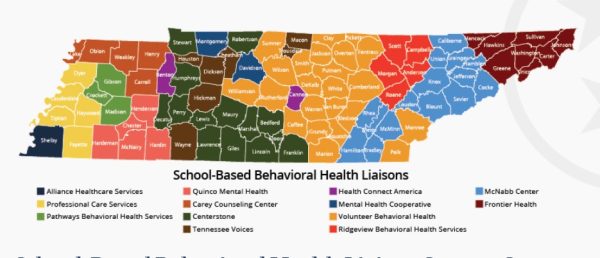
For school-based resources