

The Black Phone 2 continues as an intense narrative of its predecessor, blending elements of horror and psychological thriller. Set in a world where the supernatural interacts with reality, the story follows the main character, who becomes involved in an evil situation that tests the main character’s limits of fear, trauma, and resilience.
As they confront deep-seated fears and grapple with past traumas, the film delves into themes of resilience and the struggle for freedom against malevolent forces.
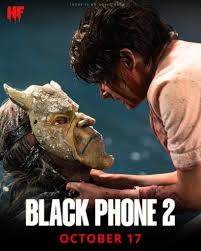 The movie brings back Mason Thames, Madeleine McGraw, Jeremy Davies, and Ethan Hawke from the first film, and this time, Demián Bichir joins the cast. The story follows siblings Finney and Gwen, along with their friend Ernesto, as they head to a winter camp for teens. But it’s not just about campfires and snow—they’re trying to uncover the mystery behind the Grabber’s first victims.
Things get creepy fast because the Grabber’s ghost is haunting the camp, and the trio has to figure out what’s really going on.
The plot thickens when the Finney and Gwen discover a mysterious black phone, which serves as a connection from the present to the spirits of previous victims. Each spirit carries its own terrible story, guiding the Finney in a desperate effort to escape a grim reality.
As the plot thickens, the film contrasts horror with the emotional reality, exploring the Finney and Gwen’s journey toward self-discovery. Incorporating the spirits adds to the narrative, causing viewers to consider how someone’s past influence changes the present.
With intersting characters and an intense storyline, “The Black Phone 2” encourages the audience to think on the nature of fear and the power of our connections to the past.
Ultimately, the film leaves a lasting impression in the minds of of the audience long after the movie ends. It reminds us that confronting our fears and unresolved traumas can lead to freeing healing, while also being a horror movie. This connection not only builds the suspense of the plot, but also serves as a memorable reminder of the impact of unresolved issues. It shows the importance of confronting one’s history to break free from the results of pain.