
Students today face pressures like schoolwork, expectations, extracurriculars, future planning, social life, and more. All of these things can affect stress levels and sometimes lead to burnout or unhealthy coping habits like substance use.
What Is Student Stress?
Student stress refers to the physical and emotional strain caused by demands that feel overwhelming: homework, tests, college planning, or balancing responsibilities.
Common causes:
- Academic pressure
- Time management challenges
- Family or social expectations
- Lack of sleep
- Transitions (new school, online learning, moving)
Signs of stress:
- Feeling tense, irritable, or overwhelmed
- Trouble concentrating
- Headaches or stomach issues
- Changes in sleep or appetite
- Avoidance of responsibilities
Prevention & Support
- Set a regular schedule with time for breaks
- Talk to teachers or counselors if overwhelmed
- Practice deep breathing or light exercise
- Get 7–9 hours of sleep each night
- Use campus resources like student support centers
Learn more:
- American Psychological Association Stress Guide for Teens: https://www.apa.org/topics/stress
- TeensHealth Stress Less Over Tests: Stress Less Over Tests (for Teens) | Nemours KidsHealth
What Is Burnout?
Burnout is extreme mental, emotional, and physical fatigue from prolonged stress. It goes beyond normal tiredness. Burnout can make you feel detached, exhausted, and unmotivated.
Common causes:
- Constant high workload
- Not enough rest or personal time
- Feeling like you “must be perfect”
- Overcommitment without balance
Signs of burnout:
- Constant exhaustion
- Lack of motivation
- Feeling cynical or hopeless about tasks
- Decline in performance
- Avoidance of responsibilities
Prevention & Support
- Build regular rest into your routine
- Learn to say “no” to extra commitments
- Focus on one task at a time
- Reach out to friends or adults for support
- Talk to a counselor if it feels unmanageable
Helpful info:
- Mayo Clinic Burnout: 5 tips to keep burnout at bay – Mayo Clinic Health System
- National Institute of Mental Health (NIMH): https://www.nimh.nih.gov/health/topics/caring-for-your-mental-health
What Is Substance Abuse?
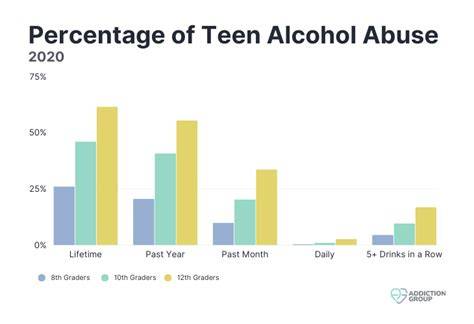
Substance abuse is when someone uses drugs or alcohol in a way that harms their health, relationships, school, or daily functioning. This doesn’t just mean addiction; it can include risky or unhealthy use.
Examples:
- Drinking alcohol underage
- Using prescription medication without a doctor’s guidance
- Using drugs to cope with stress
Causes:
- Trying to escape stress or negative feelings
- Curiosity or peer pressure
- Feeling overwhelmed or “numb”
- Easy access to substances
Signs of concern:
- Loss of interest in things you used to enjoy
- Neglecting responsibilities
- Changes in behavior or mood
- Using substances alone or secretly
Prevention & Support
- Talk with trusted adults about stress instead of turning to substances
- Build healthy coping skills (journaling, exercise, art)
- Know your limits and boundaries with friends
- Seek help from professionals if substance use becomes a coping strategy
Where to learn more & get help:
- SAMHSA (Substance Abuse and Mental Health Services Administration) https://www.samhsa.gov/
• Helpline (U.S.): 1-800-662-HELP (4357) - Teen Mental Health Resources — https://www.teenmentalhealth.org/
- National Institute on Drug Abuse (NIDA) — https://teens.drugabuse.gov/
How to Support Yourself or Others
For Yourself
- Talk about how you feel. Releasing emotions helps reduce stress.
- Practice self-care. Small habits like journaling or listening to music can make a big difference.
- Stay connected. Spending time with supportive friends can boost your mood.
- Set realistic goals. Break big tasks into smaller steps.
For a Friend
- Listen without judgment. Sometimes just being heard helps.
- Encourage professional help. A school counselor, therapist, or doctor can provide tools and support.
- Check in regularly. A simple “How are you doing?” can matter.
- Help them access resources. Offer to sit with them while they call a helpline or look up support.
Health (which includes mental health!!) thrives when you care for your mind like you do your body. Stress, burnout, and substance misuse are real and valid experiences, but they can be managed and treated with awareness, support, and healthy habits.
If you ever feel overwhelmed or unsure, it’s always okay to reach out to a counselor, trusted adult, or a professional resource and ask for help.