

Despite decades of progress and ongoing discussions about workplace fairness, a clear gap remains in how American men and women perceive opportunities for competitive wages. According to a March 2026 AP-NORC poll, about 6 in 10 full-time working women believe men have greater advantages when it comes to earning higher pay, while roughly one-third see no meaningful difference between the genders. In contrast, full-time working men are more split in their views: around 4 in 10 say men hold the edge, about half believe opportunities are roughly equal, and only 1 in 10 think women have the advantage.
On the data side, recent figures show women working full-time, year-round earning approximately 81 to 82 cents for every dollar paid to men, with some analyses indicating the gap widened slightly in recent years after a period of modest narrowing. Factors often cited include differences in occupation and industry choices, hours worked, career interruptions related to family responsibilities, and in some cases, outright discrimination or negotiation dynamics. The perceptual mismatch highlighted by the poll underscores how lived experiences and broader economic pressures — such as higher reported stress over pay among women — shape differing conclusions about fairness in the workplace.
“Equal pay isn’t just a number on a paycheck; it’s about whether people feel they’re being valued equally for the same level of contribution,” said Dr. Elena Vargas, an economist specializing in labor markets. “When a majority of women see systemic disadvantages while many men perceive parity, it creates a trust gap that can affect everything from employee retention to policy support.”
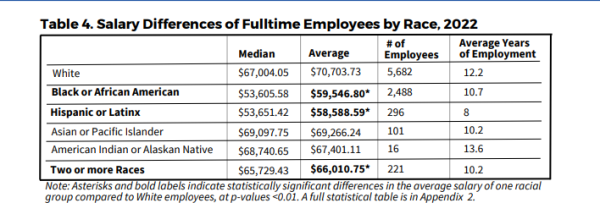
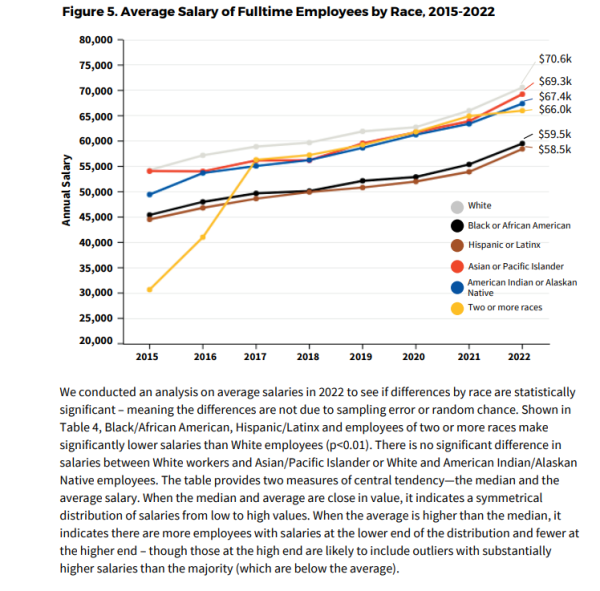
“Nashville’s government employs nearly 10,000 Tennesseans. And a new eight-year analysis from the Metro Human Relations Commission shows struggles with diversity and equity across all 51 departments.”
The IncluCivics 2023 report, which tracks 51 departments from 2015 to 2022, outlined several key takeaways — the first of which emphasized a lack of accurate representation.
The poll also found that about 3 in 10 employed women report personally experiencing wage discrimination due to their gender, compared to far fewer men who say the same. Closing both the actual earnings difference and the perception divide may require continued focus on pay transparency, skills-based hiring, and addressing structural barriers without oversimplifying complex individual choices.
“Many of us in tech have seen talented women leave promising roles because the long-term compensation trajectory felt stacked against them — not because of overt bias every day, but through accumulated small differences in raises, promotions, and flexibility,” added Jessica Ramirez, a senior software engineer and mother of two. “Bridging that gap starts with honest conversations that respect both the data and people’s real stories.”
According to a WPLN News article, “Wage disparity also remains an issue when it comes to gender. While the majority of Davidson County is female — with 51% female residents to its 48% male residents — the majority of Metro employees are male.
And, the male employees, who are making up 60% of the Metro workforce, are seeing higher salaries. In fact, this gap has only continued to increase since the analysis began. In 2015, the annual difference between male and female salaries was $5,300. In 2022, it rang in at $5,700.”
New report shows substantial pay gaps across all Metro departments | WPLN News
As debates around workplace equity continue, the gender pay discussion remains one where numbers tell only part of the story — the rest lies in how those numbers are experienced and interpreted differently across genders.