
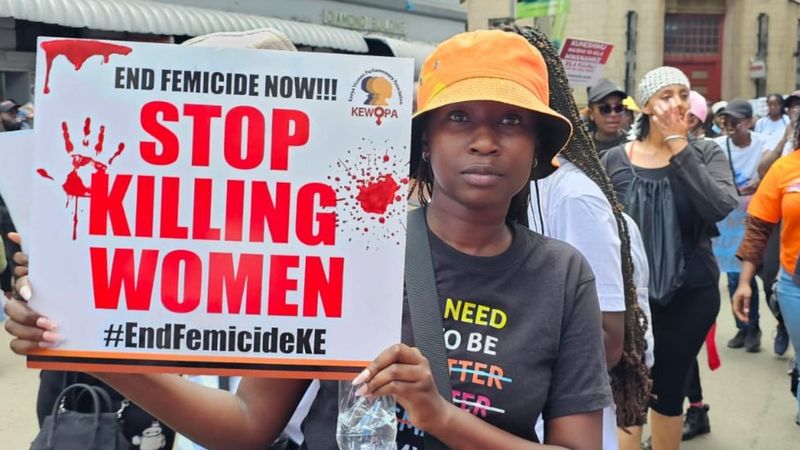
Femicide was introduced in 1801 by John Corry, but Diana Russel began using it officially in 1976. Femicide is more seen in Africa, Latin America, and Asia. The dictionary explains Femicide as “the killing of a woman or a girl, in particular by a man and on account of her gender.”
Diana Russel used the term during the feminist activism during the 1970’s. Femicide is used because it tragically robs a girl or woman of their life, they are tortured for hours on end before they are killed. Torture usually includes violence, physical assault, rape, degradation, psychological and physical isolation. It incites fear and terror that last for either hours, months, or years before death occurs.
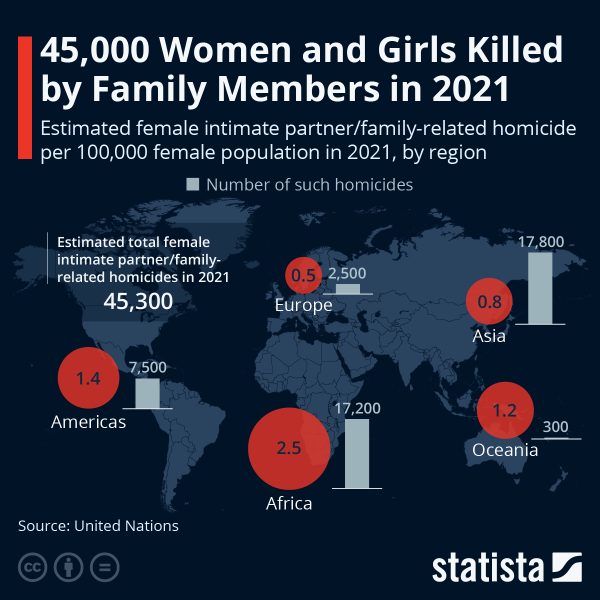
I had a chance to sit and talk with three different Hillsboro students to gauge how much students know about femicide and where it might be occurring.
Interview 1:
DB: My name is Damien Bishop; I’ll be your interviewer today. Please state your name and year for me.
AN: Addie Nine, Junior at Hillsboro High School.
DB: Do you know what Femicide is? If you do, explain in your best words. If you don’t, take your best educated guess.
AN: Femicide is the killing of a group of women.
DB: Do you know anyone who is a victim of Femicide? Or victim of anything close? Can you explain if they are okay or not? Did they get help?
AN: I do not know anyone who has experienced femicide personally, but I know of it happening in Sudan.
DB: Have you experienced Femicide firsthand? If yes, could you give a statement on what happened if comfortable? If not, can you explain why you feel strongly about why femicide is important?
AN: I feel that femicide is important because women are just as important as men and should be respected as equals instead as seen as objects.
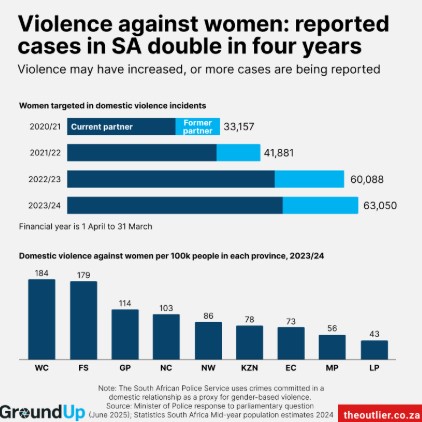
DB: Do you think Femicide should be handled more seriously? What steps could governments take to prevent more incidents in the future?
AN: I think femicide should be handled more seriously because the extermination of women is not good for the world since women are human too and murder is bad. The steps governments could take in the future could be not victim blaming and holding the perpetrator of the femicide accountable.
Interview 2: Jocelyn Hernadez
DB: My name is Damien Bishop; I’ll be your interviewer today. Please state your name and year for me.
JH: Jocelyn Hernadez, Freshman at Hillsboro High School.
DB: Do you know what Femicide is? If you do, explain in your best words. If you don’t, take your best educated guess.
JH: I think my friend talked to me about this, I’m not well educated on it, but I think its genocide on women? Right? Or like, people killing women for no clear reason other than deep rooted hatred for them or something.
DB: Do you know anyone who is a victim of Femicide? Or victim of anything close? Can you explain if they are okay or not? Did they get help?
JH: No.
DB: Have you experienced Femicide firsthand? If yes, could you give a statement on what happened if comfortable? If not, can you explain why you feel strongly about why femicide is important?
JH: No, but I think it’s important because women are like half the population and the oppression against them is unfair because they’re humans too… also, I am not educated much on this topic so like… that says a lot about how people need to be more aware of it.
DB: Do you think Femicide should be handled more seriously? What steps could governments take to prevent more incidents in the future?
JH: Yes, I think they should be taken more seriously by first raising awareness about it to other people, I don’t really know any other way, but awareness is a step, I guess.
Interview 3: Cassidy Freeman
DB: My name is Damien Bishop; I’ll be your interviewer today. Please state your name and year for me.
CF: Cassidy Freeman, Sophomore at Hillsboro High School.
DB: Do you know what Femicide is? If you do, explain in your best words. If you don’t, take your best educated guess.
CF: From what I know about genocide and a friend’s brief explanation of it, it is the degradation and abuse of the female part of a population, often resulting in acts of violence and assault, primarily at the hands of men, because of their gender.
DB: Do you know anyone who is a victim of Femicide? Or victim of anything close? Can you explain if they are okay or not? Did they get help?
CF: I have met someone who went through teenage pregnancy because of an interaction with an older man. I think from the time I spent getting to know them, it was challenging being a mom and going to school because they had a few with adult responsibilities tied in. This person told me they have the support of their family and that both them and their child are doing ok. It’s been years, so by now I’m sure this person has adjusted to these life changes, though still, while I don’t know them well enough to say this, there is probably some unresolved trauma from this considering it wasn’t planned or anything.
DB: Have you experienced Femicide firsthand? If yes, could you give a statement on what happened if comfortable? If not, can you explain why you feel strongly about why femicide is important?
CF: I think explaining what femicide is and why it is important to talk about in an open setting is because the experiences and trauma that victims have faced should not go unnoticed and hidden in the dark. Talking about and sharing the truth behind the horrors of femicide will hopefully reach more audiences that might otherwise go on without caring or knowing about what is a very common thing. At least abuse and violence towards women is essentially. Sexism still exists. In some workforce environments women still have lower wages than their male counterparts. Even when they’re doing a better job and their performance or work ethic is better. Some may think that the Woman’s Rights Movement ended the 20th century, though in reality, it is far from over. Femicide is the living proof of this and the need for change to make the world a safer and more equitable place, especially for those who reflect a history of abuse and neglect.
DB: Do you think Femicide should be handled more seriously? What steps could governments take to prevent more incidents in the future?
CF: I believe that Femicide should be handled and taken very seriously and needs to reach wider audiences however controversial it may be to some, because Femicide simply isn’t acceptable and reflects how present the need for male dominance and toxic masculinity still are. In regard to South Africa, Femicide there displays lots of violence and outward opposition towards the female population, whereas in other parts of the world acts of femicide may not be as widespread or recognizable amongst those surrounding victims and the people in power who can help create needed change. Hopefully femicide becomes part of much bigger and ongoing discussions in the Woman’s Rights Movement and amongst government officials who can provide the resources and platforms needed to speak out against these heinous crimes and shed a little more light on the unspoken things hiding in the dark.